
What to Look for When Buying Reconditioned Batteries
January 23, 2026 4:39 pm Leave your thoughtsAs the cost of living and the need for sustainable practices rise, consumers are increasingly seeking affordable, eco-friendly solutions. One such option gaining popularity is the purchase of reconditioned batteries. Whether for your car, power tools, solar systems, or backup units, reconditioned batteries provide a compelling alternative to buying new. However, not all used batteries for sale are created equal. If you’re considering making this investment, it is crucial to know what to look for to ensure safety, performance, and value.
Understanding the Reconditioning Process
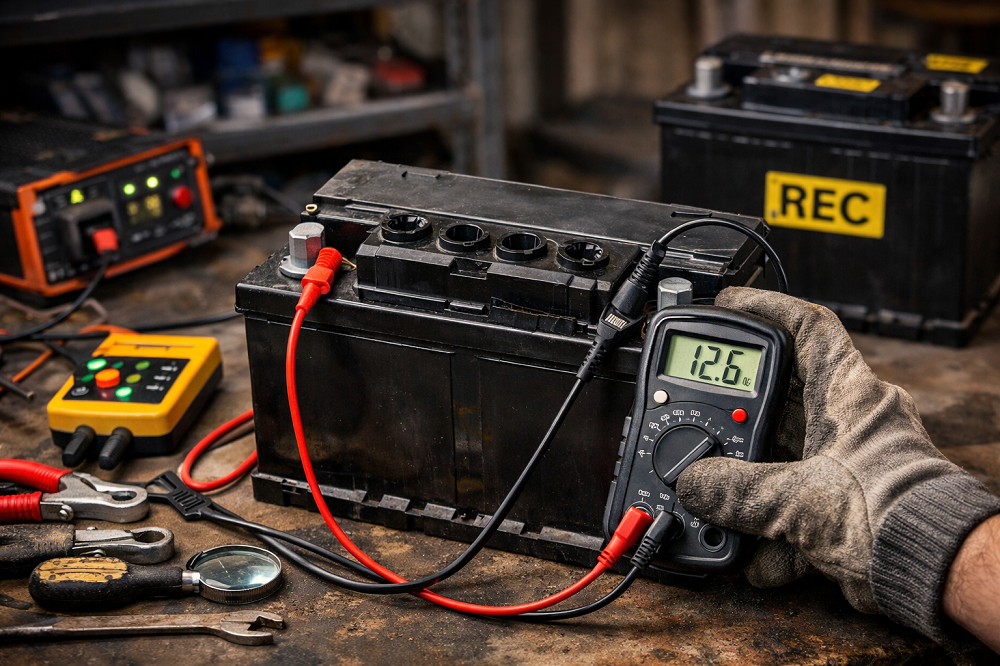
Before diving into what to look for when buying reconditioned batteries, it helps to understand what reconditioning means. Reconditioning, in this context, refers to the process of restoring a used battery to a functional state. This typically involves deep cycling (discharging and recharging), cleaning internal and external components, replacing any damaged or degraded parts such as cells or electrolytes, and thoroughly testing the battery’s output.
Reconditioning extends a battery’s life by revitalizing it, but not to its original factory condition. Still, a well-reconditioned battery can deliver sufficient performance for many applications at a fraction of the cost. Knowing how the reconditioning process was performed, and by whom, is essential to evaluating the quality of any used battery.
Assess the Seller’s Reputation and Transparency
The quality of reconditioned batteries largely depends on the source. When searching for used batteries for sale, prioritize vendors or individuals who provide clear, transparent information about the battery’s history and their reconditioning procedures. Reputable sellers will often include details such as the battery’s original manufacturer, date of manufacture, service history, and the type of equipment it came from.
Avoid sellers who cannot or will not provide this information. Trusted vendors should also offer testing documentation showing that the battery was examined for capacity, voltage, and internal resistance after reconditioning. These metrics can help determine how much life is realistically left in the unit.
Customer reviews and ratings, particularly on third-party platforms, can offer valuable insights into a seller’s reliability. Beware of too-good-to-be-true deals. Pricing should reflect the condition and specifications of the battery, not just the fact that it is used.
Check Compatibility and Specifications
Reconditioned batteries, just like new ones, must meet the technical requirements of your device or vehicle. Before purchasing, you must verify that the voltage, amp-hour rating, and physical dimensions align with what your equipment supports. Using an incompatible battery can not only underperform but can also damage your device or cause safety issues.
For example, if you are looking to power a solar energy system, the depth of discharge and cycle life of the battery become especially important. In contrast, if the battery is for a car or motorcycle, cranking amps and cold cranking amps are the metrics to focus on. Matching your battery specifications ensures safe operation and optimal performance.
Additionally, you should inquire whether the battery is an original manufacturer product or a generic replacement. While both can function well, OEM batteries tend to be more reliable when reconditioned correctly.
Evaluate the Battery’s Age and Cycle Count
The age of the battery and its cycle count (how many times it has been charged and discharged) are critical factors in determining whether a reconditioned battery is worth buying. Batteries naturally degrade over time, even when not in use. Lithium-ion batteries, for instance, may begin to lose significant capacity after a few hundred charge cycles.
Ask the seller for the cycle count or how many more cycles the battery is expected to perform reliably. Although this data can be difficult to obtain precisely, a good reconditioner will have equipment to estimate it. A battery with a high cycle count may still work but will have reduced capacity and lifespan compared to a lightly used one.
Also consider how long the battery has been in storage since reconditioning. Batteries stored for prolonged periods can self-discharge and lose capacity if not maintained correctly. A recently reconditioned battery with a low cycle count and proper storage conditions is usually a better buy.
Look for Warranties or Return Policies
While it might seem unlikely to get a warranty on a used product, many reputable vendors of reconditioned batteries offer limited guarantees or return policies. These policies provide assurance that the battery has been tested and should perform as described for a certain period, typically 30 to 90 days.
The presence of a warranty indicates that the seller stands behind their product. It also gives you a window to test the battery in real-world conditions. If the battery fails prematurely or does not meet the promised capacity, you have a course of action. Avoid buying from sellers who provide no such assurance, especially for higher-value batteries like those used in vehicles or solar systems.
Keep in mind that warranty conditions often depend on proper installation and usage. Be sure to follow all instructions and use the battery in the intended context to maintain eligibility.
Conclusion
Reconditioned batteries can offer excellent value, environmental benefits, and performance when chosen carefully. However, buying them requires a discerning approach. From verifying the seller’s credibility to checking compatibility, battery age, and warranty availability, every detail counts toward a safe and satisfying purchase.
While there are many used batteries for sale across online marketplaces and specialty shops, not all deliver the same level of quality. Your goal should be to find a battery that has been thoughtfully reconditioned, well-documented, and rigorously tested. This will ensure you get the most life and reliability out of your investment without compromising safety or performance.
Making informed decisions about reconditioned batteries not only saves money but also contributes to a more sustainable future by reducing electronic waste. Whether for automotive, solar, or personal electronics use, a properly chosen reconditioned battery can perform admirably and meet your power needs for years to come.
Need a Battery Store in Houston, TX?
At Texford Battery Co, we pride ourselves on being much more than just another battery specialist. We credit our seven decades of business growth and success to the unmatched service and expertise our team provides. Texford Battery Co is not simply a supplier – we helped pave the way for many innovations in the battery distribution industry that continue to keep prices competitive for our customers. Among them, we were a leader in the creation of the Battery Marketing Group in the 1970s. As a founding member of this national network of battery distributors and manufacturers, we are able to offer up to 10,000 of the industry’s top products to our customers at the lowest cost. Call us today!Categorised in: Batteries
This post was written by admin